What makes Regulated Aesthetic Courses vital for accountable treatment standards?
Wiki Article
Why Regulated Aesthetic Courses Are Necessary for Building a Safe, Specialist Practice
Regulated aesthetic courses play a considerable function in cultivating safe and expert methods within the aesthetic sector (Ofqual Regulated Beauty Courses). These programs furnish specialists with essential understanding regarding composition, security protocols, and the most up to date methods. They likewise help ensure conformity with legal standards, which is vital in preserving both client safety and security and specialist reputation. The effects of such training expand beyond simple conformity. Understanding the broader influence on client count on and industry accountability elevates essential inquiries about the future of aesthetic methodsThe Relevance of Safety in Aesthetic Treatments
The importance of safety in aesthetic treatments can not be overstated. As the demand for aesthetic treatments grows, guaranteeing person security becomes vital. Aesthetic professionals need to stick to rigorous safety and security methods to lessen risks and complications. This consists of recognizing the composition, acknowledging prospective damaging responses, and utilizing correct methods. People are worthy of to receive therapies in a controlled setting where hygiene and tools standards are maintained. In addition, using managed courses assurances that professionals are well-trained and educated about the current security guidelines. By focusing on security, professionals not only shield their clients but likewise foster trust fund and reliability in their techniques. Ultimately, a commitment to safety and security adds to the overall success and sustainability of the aesthetic market.Comprehending the most up to date Strategies and Advancements
Development in aesthetic therapies is a driving force behind the advancement of the market. Advancements in methods such as micro-needling, laser treatments, and non-invasive body contouring have transformed the way professionals approach person care. These innovations not only enhance results but additionally prioritize individual convenience and safety and security. As an example, the assimilation of fabricated knowledge in therapy planning permits customized approaches, optimizing end results based on private patient demands. Furthermore, brand-new items and materials are continuously developed, supplying enhanced effectiveness with fewer side effects. Remaining updated on these improvements is vital for professionals, guaranteeing they can give the ideal treatment while adhering to market standards. This commitment to learning eventually fosters a more effective and liable aesthetic practice.Building Customer Count On Through Regulated Education And Learning
Regulated education and learning plays a critical role in fostering count on between specialists and customers in the aesthetic industry. When professionals undertake structured training and accreditation, they demonstrate a commitment to professionalism and expertise. This official education assurances that aesthetic treatments are done securely and efficiently, supplying customers with confidence in the abilities of their picked professional. Clients are a lot more most likely to depend on specialists that have actually fulfilled sector requirements and policies, as this suggests a thorough understanding of strategies, safety and security procedures, and honest practices. Regulated education urges continuous understanding, allowing specialists to stay updated with the newest innovations. As an outcome, customers can feel safe and secure understanding their aesthetic therapies are handled by well-informed, competent people committed to providing top notch care.The Function of Responsibility in Aesthetic Practices
While responsibility is usually forgotten, it serves as a keystone of moral method in the aesthetic industry. Professionals must adhere to well established requirements and protocols to guarantee customer safety and satisfaction. Liability promotes a culture of transparency, where specialists take responsibility for their actions and choices. This includes preserving accurate documents, acquiring notified authorization, and actively taking part in constant education and learning. By holding themselves answerable, aesthetic specialists demonstrate their commitment to quality treatment and honest requirements. Furthermore, liability systems, such as regulatory bodies and peer evaluations, develop a structure that inhibits malpractice and promotes best methods. Ultimately, a solid liability system is essential for maintaining count on and integrity within the aesthetic area, benefiting both professionals and their clients.Enhancing Professionalism in the Aesthetic Market
Professionalism in the aesthetic industry is significantly acknowledged as a vital element in enhancing client depend on and satisfaction. Specialists who abide by high criteria of professionalism and trust produce an atmosphere that cultivates favorable customer experiences. This includes preserving a tidy, safe practice room, connecting efficiently, and showing ethical habits. Training programs that emphasize professionalism and trust equip professionals with the required skills to navigate customer relationships and address concerns without delay - Regulated Aesthetic Courses. Additionally, expertise includes staying updated with sector innovations and best practices, making certain that customers obtain informed and appropriate treatment. By prioritizing expertise, aesthetic professionals can differentiate themselves in a competitive market, ultimately bring about boosted client loyalty and positive recommendations. As an outcome, the whole market gain from a track record developed on depend on and top qualityLawful Requirements and Conformity in Aesthetic Training
Legal demands and conformity are crucial elements of aesthetic training, making certain that specialists satisfy well-known regulatory requirements. These requirements not just protect public wellness and safety and security but likewise emphasize the importance of qualification in the market. Understanding these needs is crucial for both training organizations and aspiring aesthetic professionals.Regulative Requirements Review
Governing requirements play a vital role in guaranteeing the quality and safety of aesthetic training programs. Ofqual Regulated Beauty Courses. These criteria incorporate a selection of lawful demands that training establishments should adhere to, including curriculum material, trainer qualifications, and facility safety actions. Conformity with these laws not just assists maintain high educational criteria but also shields the health and wellness and wellness of customers receiving aesthetic therapies. Different controling bodies manage these policies, making sure that programs are on a regular basis updated to mirror improvements in the field. Organizations offering aesthetic training must show adherence to regional and nationwide standards to attain certification. This dedication to governing conformity promotes depend on between customers and specialists, ultimately contributing to a much safer aesthetic method atmosphereValue of Accreditation
While pursuing an occupation in appearances, obtaining certification is necessary for professionals to guarantee conformity with lawful demands and industry criteria. Accreditation works as a formal acknowledgment of a specialist's credentials, ensuring they have the required abilities and understanding to execute aesthetic procedures securely and successfully. Furthermore, it enhances public trust fund, as clients usually look for guarantee that their suppliers are thoroughly educated and adhere to regulatory standards. Compliance with certification needs also alleviates the risk of legal effects stemming from negligence or insufficient training. Furthermore, accredited professionals are commonly much better placed in the competitive work market, as employers focus on prospects that show dedication to specialist advancement and adherence to industry criteria. Eventually, accreditation is a foundation of a reputable aesthetic practice.The Long-Term Advantages of Buying Regulated Courses
Investing in controlled aesthetic courses can produce significant long-lasting advantages for specialists in the elegance sector. To start with, these courses improve skillsets, making sure specialists remain upgraded with the most up to date strategies and security protocols - Regulated Aesthetic Courses London. This knowledge cultivates confidence, making it possible for experts to offer premium solutions that meet client expectationsFurthermore, completing regulated courses typically brings about boosted credibility and trust among clients, which can equate right into a devoted customer base and raised referrals. Additionally, professionals might discover that their bankability enhances, allowing them to command greater charges for their competence.
Ongoing education and learning can open up doors to career improvement chances, such as specialized roles or managerial positions within the sector, contributing to greater work contentment and economic stability in the long run.
Frequently Asked Questions
What Sorts Of Aesthetic Treatments Need Regulated Training?
Aesthetic treatments needing regulated training include injectables like Botox and facial fillers, chemical peels, laser hair elimination, microneedling, and progressed skin care procedures. Correct training guarantees safety and security, efficiency, and adherence to market criteria in aesthetic techniques.Just How Can I Discover Accredited Aesthetic Courses?
People seeking approved aesthetic courses can investigate credible establishments on-line, speak with specialist associations, and review testimonials. Connecting with industry experts additionally assists recognize acknowledged programs that satisfy accreditation requirements and guarantee detailed training.
Are Online Aesthetic Courses Considered Legitimate and Regulated?
Visit This Link Online aesthetic courses can be legitimate if recognized by identified establishments. Nevertheless, policy differs by territory, making it crucial for people to verify accreditation and guarantee that courses satisfy market requirements for safety and professionalism and trust.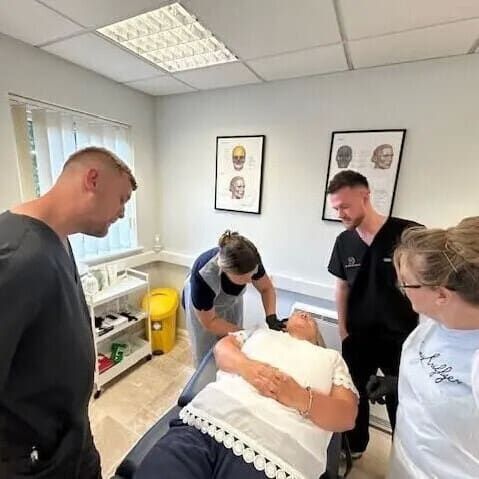
What Is the Price of Regulated Aesthetic Training Programs?

The cost of managed aesthetic training programs normally varies from $1,000 to $5,000, depending on the institution, training course length, and included products (Regulated Aesthetic Courses). Variables like location and specialization might even more affect rates variants
How Commonly Do I Required to Restore My Aesthetic Certification?

Regulated aesthetic courses play a substantial role in cultivating risk-free and specialist practices within the aesthetic industry. Aesthetic practitioners have to adhere to rigorous safety and security protocols to reduce dangers and problems. Regulated education plays a pivotal duty in cultivating trust between practitioners and customers in the aesthetic sector. By focusing on expertise, aesthetic specialists can differentiate themselves in a competitive market, ultimately leading to enhanced client commitment and positive references. Lawful requirements and compliance are crucial parts of aesthetic training, guaranteeing that experts meet recognized regulatory criteria.
Report this wiki page